The post How Long Should You Keep Documents? appeared first on .
]]>
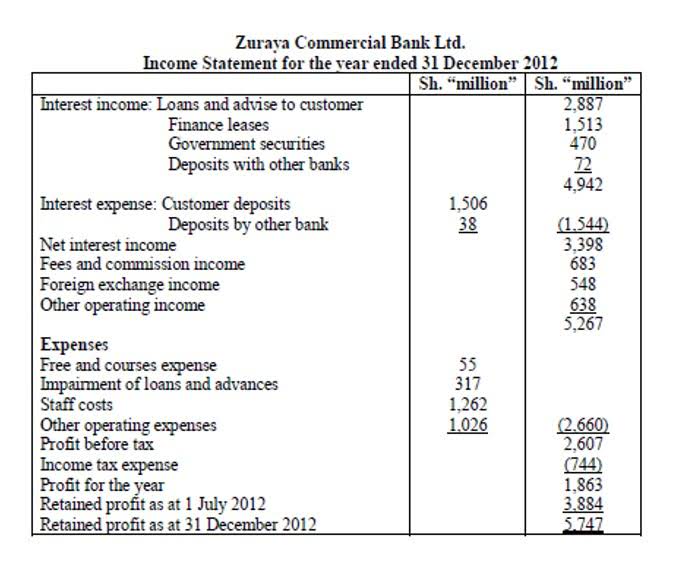
Accurate and timely financial information is crucial for decision-making, compliance with tax regulations, and securing funding or investment. Moreover, well-organized records contribute to smoother tax seasons and audits, as everything can be easily found and income summary presented. Ultimately, they provide a clear picture of the business’s financial health, aiding in strategic planning and operational sustainability. The electronic accounting software program or electronic system you choose should meet the same basic recordkeeping principles mentioned above. For more detailed information refer to Publication 583, Starting a Business and Keeping Records.
Less mess, less-stress smallbusiness bookkeeping
An owner should keep them in an orderly fashion and in a safe place. For instance, organize them by year and type of income or expense. A good recordkeeping system includes a summary of all business transactions. These are usually kept in books called journals and ledgers, which business owners can buy at an office supply store.
ZipBooks: best free accounting app for unlimited contacts and payments
Consider factors such as the volume of transactions, type of business, and regulatory obligations when designing the system. The system should be scalable to accommodate business growth and adaptable enough to incorporate technological advancements. In specific situations, you may need to keep records for longer than three years. Recording business assets is crucial for accurate financial reporting and tax compliance.
Organizing Employment Tax Records
- Indicate the source of deposits and the type of expense in the checkbook..
- You can set up Kashoo in 60 or so seconds, and the app immediately starts to categorize your expenses and learn your business spending habits.
- Regardless of your business structure and size, combining your personal and business funds can get messy.
- Expenses are the costs you incur (other than the cost of inventory) to carry on your business.
- You must keep the records on the old property, as well as on the new property, until the period of limitations expires for the year in which you dispose of the new property.
He carries the total receipts shown in this summary for January 3 ($267.80), including cash sales ($263.60) and sales tax ($4.20), to the Monthly Summary of Cash Receipts. It accounts for cash at the end of the day over the amount in the Change and Petty Cash Fund at the beginning of the day. You must keep your records as long as they may be needed for the administration of any provision of the Internal Revenue Code. Generally, this means you must keep records that support an item of income or deduction on a return until the period of limitations for that return runs out. Assets are the property, such as machinery and furniture you own and use in your business. You must keep records to verify certain information about your business assets.

What Tools And Software Are Recommended For Small Businesses?
You close income and expense accounts at the end of each tax year. You keep https://www.bookstime.com/ asset, liability, and net worth accounts open on a permanent basis. You must keep your business records available at all times for inspection by the IRS. If the IRS examines any of your tax returns, you may be asked to explain the items reported. You must figure your taxable income and file an income tax return based on an annual accounting period called a tax year.
The importance of recordkeeping for small business

Also, compare every transaction in your accounting software to your records when you’re doing your monthly bank reconciliation, just to make small business record keeping sure it’s all there. Some accounting software allows users to add documents to each transaction. This way, anyone who looks at your books can see the related records.
Table 1. What New Business Owners Need To Know About Federal Taxes

And with digital records, you can say goodbye to paper records and disorganization. Consider getting information together ahead of tax time easier. For example, you may gather records like financial statements, invoices and receipts, payroll records, etc. IRS guidelines for small business record retention require that businesses maintain records that adequately show income and deductions. Records should be kept as long as necessary to prove the income or deductions on a tax return. The specific retention period depends on the action, expense, or event recorded in the document.
- The other page is a blank template so you can write out your own account names.
- You can submit documents digitally if they are a copy of the original and can be printed to produce a legit document.
- Download accounting templates, including financial statements, general ledger, account reconciliation, T-account, budget, personal finance, and more.
- Finally, and perhaps most importantly, proper records are essential for understanding profitability.
- Generally, you must keep your records that support an item of income, deduction or credit shown on your tax return until the period of limitations for that tax return runs out.
An efficient recordkeeping system enables owners to file tax returns, support tax-reporting items, and comply with legal and regulatory requirements. Ensuring a proper and organized record of business transactions can prevent costly mistakes and contribute to the long-term success of the business. Investing in accounting software such as QuickBooks, Xero, or FreshBooks can greatly enhance the efficiency of your record-keeping processes.
The post How Long Should You Keep Documents? appeared first on .
]]>The post The Best Expense Tracker for Startups & Small Businesses appeared first on .
]]>
This is particularly important when you’re seeking additional funding. It’s designed to make managing your company’s spending super simple, whether you’re a freelancer or a big team. Its main job is to collect your bills, https://www.citybiz.co/article/785736/the-real-value-of-accounting-services-for-startups/ receipts, and bank statements automatically. You’ll need to integrate with a third-party payroll service to manage employee salaries and deductions. We helped startups raise capital and build strong relationships with investors.

Game-Changing Financial Management Apps for Startups
Prioritize mobile-first solutions designed for on-the-go use, and consider offline capabilities essential for international travel where connectivity might be limited. Business dining coordination with expense tracking integration potential. Getting around efficiently saves time and money, which is critical for small business travel budgets. The Zeni Business Credit Card is currently available to eligible Zeni customers by invite only. The Zeni Business Credit Card is issued by Thread Bank pursuant to a license from Visa U.S.A. Inc. and may be used everywhere Visa credit cards are accepted. If you’re looking for a light-weight business banking solution still tailored to the needs of startup founders, Mercury Bank is a popular choice.
The 14 Must-Have Startup Tools in 2024
Expensify auto-matches expense merchants to your QuickBooks vendors on export, allowing you to track spend per vendor and negotiate favorable terms. Google Workspace, which used to be called GSuite, is hard not to like. Google has the easiest way for people to work together on documents, spreadsheets, and presentations. Employees can do their work from anywhere with an internet connection, and the feature automatically saves their work is a lifesaver. If you use it, you’ll get all the good things about Gmail, but everyone in your company will have a professional email address.
Decimal pricing
I found this feature incredibly efficient, The Real Value of Accounting Services for Startups as it saved me time and ensured accuracy in my financial records. It’s a must-have for businesses that rely on corporate cards for their operations. Expensify is primarily an expense management tool focused on reporting and reimbursements.
It enables founders and financial managers to focus on strategic tasks instead of getting bogged down by routine payment processes. Kashoo is designed for startups looking for a straightforward, cloud-based accounting solution. Its simplicity and efficiency make it an appealing option for businesses without a dedicated accounting team.


I found this feature particularly helpful when traveling, as it eliminated the need for manual conversions and ensured accurate financial records. Compared to cash basis accounting, the accrual method provides a more accurate view of the company’s financial position as well as income and expenses. Plus, there are some states that require businesses to use the accrual method for their accounting.

Most Expensify plans include a free trial (depending on your business, you may be able to use it free for up to six weeks). If you’re interested, we recommend taking it for a spin—and if Expensify doesn’t work for you, maybe one of our other expense management recommendations will. Expensify offers a variety of pricing plans to cater to different business needs, from small startups to large enterprises. Below is a detailed breakdown of Expensify’s plans, highlighting their key features and benefits for various business requirements.

Ideal for startups planning to scale, Xero integrates with various other business tools and offers robust reporting capabilities. The comparison table shows big price differences between providers—Decimal starts at $265 monthly while more complete services begin at $1,250+ per month. Note that cheaper options might cost more long-term if they lack vital services for your business model. Pre-revenue companies can benefit from services like Pilot with their pre-revenue discount.
- Technology advances and regulatory changes keep reshaping the accounting world.
- Integration with third-party card feeds and reconciliation further enhances its value.
- You can use it to reimburse employees for any expenses they incur for the business, like office supplies or business lunches.
- The platform works best with tech-savvy startups that need flexible financial support without hiring full-time staff.
- Reimburse employees or independent contractors anywhere in the world, in their local currency.
- They excel at working with VC-backed companies that need investor-ready financials.
- The plugin can also be used for EOR employees and contractors, helping streamline the management of approved expenses for various employment contracts.
How to choose the right travel apps for your small business
Those basic plans are perfect for sole proprietors, solopreneurs, freelancers, and small-business owners with a handful of employees. They can also work nicely for partnerships where both business owners need corporate card access. Tracking mileage for business trips can be a hassle, but Expensify makes it easy. I found this feature particularly useful for keeping accurate records of my travel expenses, ensuring that I was reimbursed correctly. Imagine snapping a photo of your receipt and having it automatically processed and categorized. I found it incredibly convenient, as it eliminates the hassle of manual entry.
The post The Best Expense Tracker for Startups & Small Businesses appeared first on .
]]>